
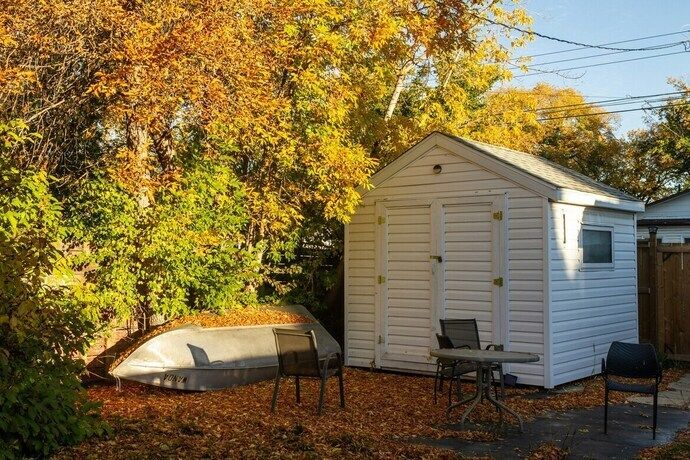
Adding a backyard shed or detached garage can provide valuable storage, protect vehicles and equipment, and make your property more functional. Whether you're planning a small garden shed, a workshop, or a larger detached garage, it's important to think through the details before construction begins.
From local building requirements to long-term maintenance, several factors can influence the cost, functionality, and value of your new structure.
Check Local Building Codes and Permit Requirements
Before starting construction, check with your city or county to determine whether permits are required. Requirements often depend on the structure's size, height, location, and intended use.
Local zoning regulations may also establish setback requirements, which determine how close a structure can be to property lines. If you live in a neighborhood with a homeowners association (HOA), additional restrictions may apply to the structure's appearance, size, or placement.
Choose the Right Location
Where you place your shed or garage can affect accessibility, drainage, and future property improvements.
Consider how you'll access the building, especially if you plan to store vehicles, lawn equipment, or large tools. Make sure there's enough room for doors to open and for equipment to move in and out comfortably.
It's also important to evaluate drainage. Building in a low-lying area where water collects could lead to moisture problems or foundation damage over time.
Consider Materials and Construction Quality
The materials you choose will influence your structure's durability, appearance, and maintenance requirements.
Wood structures offer flexibility in design but may require periodic painting, staining, or other maintenance. Metal buildings can be durable and relatively low-maintenance, while vinyl or resin sheds may work well for smaller storage needs.
Regardless of the materials, a properly prepared foundation and quality construction can help extend the life of the building.
Plan for Electricity and Other Utilities
If you're planning to use your shed or garage as a workshop, hobby space, or home office, you may want electrical outlets, lighting, heating, or other utilities.
These additions can increase construction costs and may require additional permits or professional installation. Planning for utilities before construction begins can help avoid expensive modifications later.
Think About Security and Maintenance
Detached structures often contain valuable items, including tools, bicycles, lawn equipment, and recreational gear.
Consider installing sturdy locks, adequate lighting, and other security features. Regularly inspecting the roof, doors, foundation, and surrounding drainage can also help prevent deterioration and protect the belongings stored inside.
Review Your Homeowners Insurance Coverage
Before adding a new structure, it's worth reviewing your homeowners insurance. Many policies include coverage for detached structures, sometimes called other structures coverage, but coverage limits and exclusions vary.
A new shed or garage may increase the total value of structures on your property. The contents of the building may also have separate coverage considerations, particularly if you store expensive equipment or use the space for business purposes.
At Washington United LLC, we can help you understand how a new detached structure may affect your insurance needs. Contact us today to review your coverage before starting your next home improvement project.